Whether Holly Springs or Cary homeowners face a PFAS problem in their drinking water depends almost entirely on one thing: where their water comes from. Holly Springs and Fuquay-Varina purchase finished water from Harnett Regional Water, which draws from the Cape Fear River near Lillington, North Carolina. The 2025 Annual Drinking Water Quality Report for Holly Springs found PFOA at 5.3 parts per trillion and PFOS at 8.7 parts per trillion, both above the new federal maximum contaminant level of 4 parts per trillion for each compound (Holly Springs Update, July 14, 2026). Cary and Apex draw from Jordan Lake and use powdered activated carbon treatment, giving them PFOA at approximately 1.3 parts per trillion and PFOS below detection. Wake Forest receives water from the City of Raleigh system, sourced from Falls Lake. This guide explains what those differences mean and what residents in each community can do now.
What Is PFAS and Why Are Triangle Homeowners Hearing About It Now?
PFAS, short for per- and polyfluoroalkyl substances, are a class of synthetic chemicals used since the 1940s in products ranging from nonstick cookware to stain-resistant textiles to firefighting foam. They earn the nickname "forever chemicals" because the carbon-fluorine bonds that make them useful also make them nearly impossible to break down in the environment. PFAS contamination in the Cape Fear River basin is not new. Upstream industrial discharges have contributed measurable PFAS loads for decades. What changed is the federal regulatory framework.
In 2024, the U.S. Environmental Protection Agency finalized the first enforceable national drinking water limits for six PFAS compounds, setting maximum contaminant levels of 4 parts per trillion for PFOA and PFOS individually (see EPA National Primary Drinking Water Regulations). Before 2024, there was no federal MCL for any PFAS compound. Water systems were monitoring under EPA's Unregulated Contaminant Monitoring Rule (UCMR5) program, but there was no legal standard against which results triggered compliance action. The 2024 rule created that standard. Holly Springs' 2025 water quality report is among the first in the Triangle to show measured levels set against the new benchmark. For broader NC context on PFAS, see our NC and SC PFAS overview and our GenX and PFAS in NC drinking water article. The PFAS Carolina resources page covers treatment options for NC and SC homeowners.
The 2025 Numbers: Four Triangle Communities Compared
The table below is compiled from the 2025 Annual Drinking Water Quality Reports and EPA UCMR5 data for Wake County and Harnett County water systems. All figures reference official reporting; primary sources are linked.
| Community | Water Source | Utility | PFOA (ppt) | PFOS (ppt) | vs. 4 ppt Federal MCL |
|---|---|---|---|---|---|
| Holly Springs | Cape Fear River (via Harnett Regional Water) | Harnett Regional Water | 5.3 | 8.7 (avg); 12.0 (max UCMR5) | Both above MCL |
| Fuquay-Varina | Cape Fear River + Raleigh (mixed supply) | Harnett Regional + Raleigh | Similar to Holly Springs for Harnett portion | Similar to Holly Springs for Harnett portion | Above MCL for Harnett sourced portion |
| Cary | Jordan Lake | Town of Cary | approx. 1.3 | Non-detect | Both below MCL |
| Apex | Jordan Lake (via Cary treatment plant) | Town of Cary | approx. 1.3 | Non-detect | Both below MCL |
| Wake Forest | Falls Lake (via City of Raleigh) | City of Raleigh | See Raleigh Water annual reports for current PFAS monitoring data | ||
Sources: Holly Springs 2025 Annual Drinking Water Quality Report, via Holly Springs Update (July 14, 2026); EPA UCMR5 data via PlainWater, May 2026; Cary and Apex figures from Holly Springs Update citing 2025 CCRs; EPA Consumer Confidence Reports program.
One clarification on Fuquay-Varina: the town draws from multiple sources, including Harnett Regional Water and supplemental supply from the City of Raleigh and Johnston County. The PFAS load in the Harnett-sourced portion mirrors Holly Springs. Raleigh-sourced water carries a different profile. Residents can confirm which source the water in their area draws from in any given billing period through the town's utility office or annual CCR.
Why Does the Cape Fear River Carry More PFAS Than Jordan Lake?
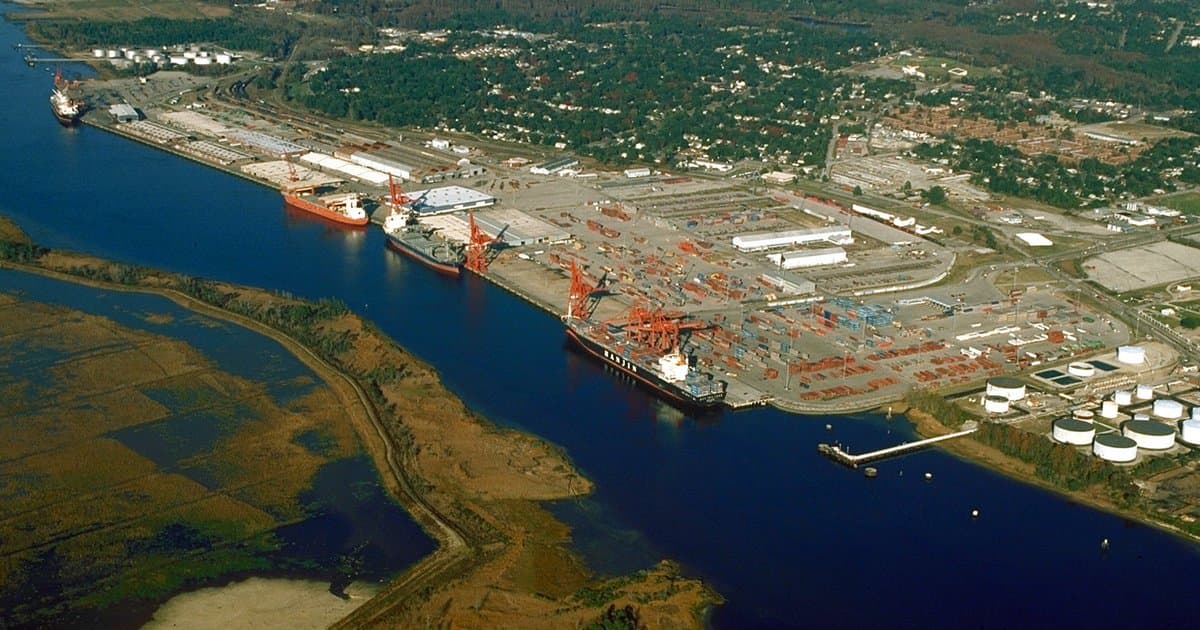
Source water chemistry explains most of the difference. The Cape Fear River flows through Bladen County past the Chemours Fayetteville Works facility, which has discharged PFAS compounds into the river for decades. That industrial history is well documented in our Cape Fear River PFAS guide and our GenX PFAS NC overview. Harnett Regional Water draws its raw water supply from the Cape Fear near Lillington, downstream of the most significant discharge history. Whatever PFAS the treatment process does not remove reaches finished water distributed to Holly Springs and the Harnett-supplied portion of Fuquay-Varina.
Jordan Lake sits in the upper Cape Fear watershed, geographically upstream of the industrial discharge sites that have most heavily affected the lower river. That separation produces a lower baseline PFAS load in Jordan Lake raw water. Combined with Cary's use of powdered activated carbon in its treatment process since 2018, which binds to many PFAS molecules during treatment before filtration, the result is the dramatically lower concentrations Cary and Apex report. Powdered activated carbon is added to raw water as part of the treatment sequence, not as a point-of-use filter, meaning it addresses PFAS before water enters the distribution system.
Falls Lake, which supplies Raleigh and by extension Wake Forest, is also in a less PFAS-impacted portion of the watershed than the Harnett Regional intake. Raleigh's treatment uses ozone alongside conventional filtration, which provides some additional PFAS reduction. Wake Forest homeowners can review current data in Raleigh's annual CCR reports at raleighnc.gov. Aquafeel Solutions serves Wake Forest with reverse osmosis and whole-house filtration for residents seeking additional treatment regardless of measured levels.
What EPA UCMR5 Testing Found at Holly Springs
EPA's Fifth Unregulated Contaminant Monitoring Rule required public water systems serving 3,300 or more people to test for 29 PFAS compounds between 2023 and 2025. This is the federal monitoring program that generated the detailed compound-level data now available through the EPA Safe Drinking Water Information System. For Holly Springs, the UCMR5 testing found 25 samples with detectable PFAS out of 116 total samples, with 8 PFAS compounds identified (EPA SDWIS, via PlainWater, May 2026).
The detected compounds and their maximum concentrations in UCMR5 testing (August 2024 samples) are:
- PFOS: 12.0 parts per trillion (maximum; average used in CCR reporting was 8.7 ppt)
- PFOA: 5.3 parts per trillion
- PFPeA: 7.7 parts per trillion
- PFHxA: 7.1 parts per trillion
- PFBA: 7.0 parts per trillion (May 2024 sample)
- PFBS: 4.5 parts per trillion
- PFHpA: 3.3 parts per trillion
- PFHxS: 3.1 parts per trillion
The enforceable 2024 EPA MCLs apply specifically to PFOA (4 ppt) and PFOS (4 ppt). Both are exceeded in Holly Springs testing data. The broader suite of compounds detected above their UCMR5 minimum reporting levels does not currently carry individual MCLs, though EPA is evaluating additional standards. For context on how these regulatory developments fit into the broader NC PFAS picture, see our PFAS in NC and SC guide. Compared to the CFPUA (Cape Fear Public Utility Authority) situation covered in our CFPUA PFAS removal guide, Harnett Regional Water's situation is similar in source water origin but involves a different treatment facility and funding timeline.
What Harnett Regional Water Is Doing to Fix the Problem
The treatment response is already under way. Harnett Regional Water conducted a pilot program evaluating treatment technologies and selected Granular Activated Carbon filtration as its solution. GAC filtration passes water through a bed of activated carbon media with a large surface area that adsorbs PFAS molecules before the water enters distribution. This technology is the EPA-recognized Best Available Technology for PFOA and PFOS reduction at utility scale.
Funding is secured: Holly Springs applied for and received $7.021 million in Emerging Contaminant funding under the federal Bipartisan Infrastructure Law, routed through North Carolina's Drinking Water State Revolving Fund, designated for construction of GAC filtration at Harnett Regional Water's Sanford Water Filtration Facility (Holly Springs Update, July 14, 2026). As of mid-2026, the project is in the design phase. The federal compliance deadline for water systems to meet the new PFAS MCLs is 2031, reflecting an EPA-proposed extension from the original 2029 deadline that gives utilities additional time to design and construct treatment infrastructure. Initial PFAS monitoring required by the federal rule has been completed.
For residents of Holly Springs and the Harnett-supplied portions of Fuquay-Varina, this means the fix is funded and a technology has been selected. The construction and commissioning of regional GAC treatment is measured in years, not months. The practical question for homeowners is whether to wait for the utility-scale treatment or add a home-level treatment step in the interim. Our NC municipal water comparison article provides context for understanding the difference between utility treatment and point-of-use options across Triangle communities.
What Home Filtration Actually Removes PFAS
Not all home filters handle PFAS. The type of technology and its certification standard determine whether a given filter addresses the compounds found in Holly Springs or Fuquay-Varina water. The effective options are:
Reverse osmosis (under-sink, point-of-use), certified to NSF/ANSI Standard 58: RO systems force water through a semi-permeable membrane that PFAS molecules cannot easily pass, achieving 95 to 99 percent reduction for PFOA and PFOS across chain lengths. This is generally the most reliable home option for PFAS reduction. Regular replacement of the membrane and post-filters per manufacturer specifications is required to maintain performance. Our reverse osmosis services page covers system selection and sizing for Triangle homes. Also see our reverse osmosis vs water softener comparison for how to combine treatment approaches.
Activated carbon filters certified to NSF/ANSI Standard 53 for PFOA and PFOS: Carbon block filters specifically certified under NSF 53 for PFOA and PFOS can provide meaningful reduction. This certification must be explicit. Standard pitcher-style carbon filters certified only to NSF 42 (taste and odor) are not certified for PFAS and should not be assumed to remove them.
What does not work for PFAS: boiling water does not remove PFAS and can concentrate it slightly. Standard sediment filters do not address PFAS. Water softeners address hardness (calcium and magnesium ions) through ion exchange but do not remove PFAS. The NC and SC water hardness data guide covers softener applications separately from PFAS treatment. If your water has both high hardness and elevated PFAS, you may need both a softener and an RO system. Aquafeel Solutions can assess your water and recommend a combined approach through our free water testing service. For PFAS-specific NC resources, visit our PFAS Carolina page. The five signs your water needs testing article can also help you assess what parameters to prioritize.
What Triangle Suburb Homeowners Should Do Right Now
Start with your 2025 Annual Drinking Water Quality Report. This document is public information: your utility is required to mail it annually and make it available on their website or by request. If you are in Holly Springs and receive water from Harnett Regional Water, the current PFAS levels exceed federal MCLs for PFOA and PFOS. That is a documented fact in the official report. If you are in Fuquay-Varina, your PFAS profile varies depending on which source supplies your service area at any given time. Contact the Fuquay-Varina Public Works department to confirm your source breakdown.
If you are in Cary or Apex, the 2025 data shows PFAS well below federal limits. Jordan Lake combined with powdered activated carbon treatment produces a very different finished water profile than the Cape Fear intake at Harnett. If you want additional assurance for drinking water, a certified under-sink RO unit addresses PFAS as well as other trace contaminants common in Triangle city water, including disinfection byproducts from chloramine treatment. See our city water chloramine article for context on disinfection byproduct formation, and our city water vs well water guide for broader context on what municipal treatment does and does not address.
If you are in Wake Forest, you receive Raleigh water sourced from Falls Lake. Review Raleigh's current CCR for the most current PFAS monitoring results. For Wake Forest, Aquafeel Solutions offers both reverse osmosis system installation and whole-house filtration. Our Triangle hardness data guide covers softener needs by city as a separate consideration from PFAS.
Whatever your community, a professional in-home water test gives you the full picture: not just PFAS but also hardness, pH, disinfection byproducts, chloramines, iron, and any other parameters relevant to your household. Aquafeel Solutions Carolina provides free water testing across Wake County and surrounding Triangle area communities, including Holly Springs, Fuquay-Varina, Cary, Apex, and Wake Forest. Contact us to schedule your free test.
What If You Are on a Private Well Near Holly Springs or Fuquay-Varina?
Private well owners in southern Wake County and northern Harnett County face a separate set of questions. Your well water does not come from Harnett Regional Water. It draws from the local aquifer, and PFAS contamination in the underlying groundwater depends on whether your aquifer has been affected by the same industrial sources that affect the Cape Fear River. Well water is not monitored by any utility. Testing responsibility falls entirely on the homeowner.
If you are in an area with documented PFAS in surface water, requesting laboratory analysis specifically for PFAS as part of your well water testing panel is advisable. The NC DEQ Public Water Supply Section and the NCDHHS well water testing guidance outline testing options for private wells. Our SC private well testing guide and NC and SC well contaminant data article cover private well context across the Carolinas.