Reverse osmosis and water softeners are the two most common water treatment systems in Carolinas homes, and they are frequently confused because both produce better tasting water. They are not interchangeable. A water softener removes calcium and magnesium hardness minerals from all the water entering your home. A reverse osmosis system removes a much wider spectrum of dissolved contaminants at a single point, typically the kitchen tap, including lead, PFAS, chloramines, nitrates, and hardness minerals. For most Carolinas homeowners, the choice comes down to this: if your problem is scale on fixtures and appliances, get a softener. If your problem is drinking water quality including taste, odor, or contaminants, get reverse osmosis. If you have both problems, which most NC Piedmont and upper SC homes do, the combination of a whole house softener plus an under sink RO system is the professional recommendation. Schedule a free water test with Aquafeel Solutions Carolina at (984) 212-3558.
Aquafeel Solutions Carolina installs both systems across North Carolina and upper South Carolina. This guide is not a sales pitch for either approach. It is the honest breakdown our technicians give during free in home water tests, calibrated to the actual water chemistry profiles we see across the Carolinas. See also our Carolinas well water guide and NC hard water guide for regional context.
What Is the Difference Between Reverse Osmosis and a Water Softener?
A water softener uses ion exchange: sodium ions on resin beads swap with calcium and magnesium ions as hard water passes through the tank. The result is "soft" water with the hardness minerals removed. The process works on all water in the home simultaneously. A 48,000 grain capacity softener processes 150 to 200 gallons per day for a family of four, treating shower water, laundry water, dishwasher water, and drinking water. A softener does not meaningfully remove chloramines, lead, PFAS, nitrates, or most other dissolved contaminants. It is specifically a hardness removal technology.
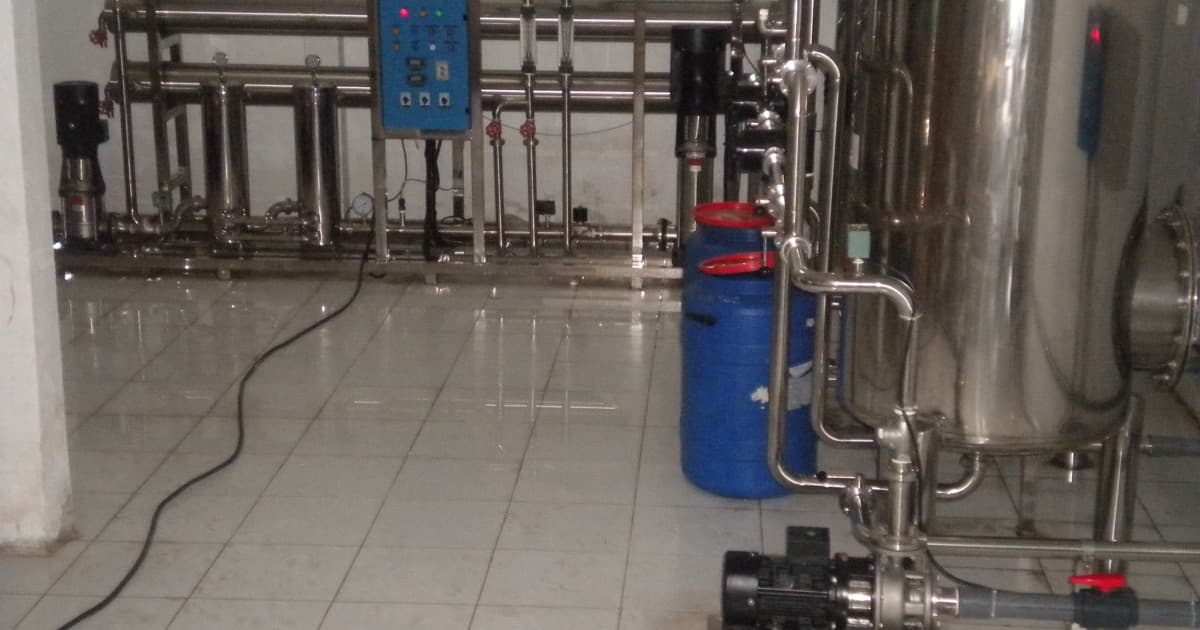
A reverse osmosis system forces water under pressure through a semipermeable membrane with pores small enough to reject dissolved ions. The membrane rejects 95 to 99 percent of dissolved solids including hardness minerals, chloramines, lead, arsenic, nitrates, PFAS, and most organic compounds. Because the process wastes 2 to 4 gallons of water for every gallon it produces, RO is economical only at the point of use, typically a kitchen tap with a storage tank. An under sink RO system treats 50 to 150 gallons per day, enough for drinking and cooking. It does not treat shower, laundry, or appliance water unless a whole house RO system is installed, which is economically impractical for most residential applications. Read the EPA guide on point of use water treatment for the regulatory framework on both technologies.
Does RO Remove Hardness? Can RO Replace a Water Softener?
Yes, reverse osmosis removes calcium and magnesium hardness at the point of use. A drinking water RO system produces essentially zero hardness water at the kitchen tap. However, RO does not protect your water heater, dishwasher, washing machine, or shower from scale. Those appliances receive untreated hard water unless the softener is present. For that reason, RO cannot replace a softener for whole-home appliance protection. It can replace a softener if your only concern is drinking water quality and you are willing to accept scale on appliances and fixtures.
There is one important interaction: if you have a softener, installing an RO downstream of the softener dramatically extends RO membrane life. Hard water forces the RO membrane to reject very high concentrations of calcium and magnesium, which scales the membrane itself and reduces its useful life. Softened water entering the RO membrane is already zero-hardness, meaning the membrane works only against the lower concentration dissolved contaminants (chloramines, PFAS, lead) and lasts 3 to 5 years instead of 1 to 2 years under hard water conditions. In the Carolinas, where both hardness and disinfection chemical concerns are present, the softener plus RO combination is the standard professional recommendation for most homes.
Which Removes More Contaminants, RO or a Water Softener?
Reverse osmosis removes a much broader spectrum of contaminants. Here is the direct comparison for the most relevant Carolinas water quality concerns:
| Contaminant | Water softener removes? | Reverse osmosis removes? |
|---|---|---|
| Calcium and magnesium (hardness) | Yes, at the whole house level | Yes, at the point of use tap |
| Chloramine (Raleigh, Durham, Charlotte city water) | No | Yes, 95 to 99 percent |
| Free chlorine (Greensboro, Greenville SC) | No | Yes, complete removal |
| Lead (legacy plumbing in older homes) | No | Yes, certified NSF 53 |
| PFAS/GenX (Cape Fear basin, adjacent to industrial sites) | No | Yes, NSF 58 certified systems |
| Nitrates (well water near agriculture) | No | Yes, 85 to 95 percent |
| Arsenic (Piedmont granite wells) | No | Yes, above 95 percent |
| Iron below 0.3 mg/L | Yes, iron tolerant resin models | Yes |
| Sodium (from softener regeneration) | Adds sodium | Yes, removes sodium added by softener |
For Carolinas homeowners on private wells with arsenic, nitrates, or bacteria concerns, an RO drinking water system is essential. A softener alone does not address any of these contaminants. For city water homeowners whose primary concern is scale and appliance protection, a softener alone addresses the main issue. For city water homeowners who also want clean drinking water free of chloramines and disinfection byproducts, adding an RO under the kitchen sink completes the picture.
What Does a Combined Softener and RO System Cost in NC?
Combining both systems is more cost effective than it might appear, because the softener protects the RO membrane and extends its service life significantly. A typical combined installation for a Carolinas home in 2026:
- Whole house water softener (48,000 grain, Vortech tank): $2,200 to $3,800 installed. Annual salt cost approximately $200 to $400.
- Under sink reverse osmosis (5 to 6 stage, NSF 58 certified): $600 to $1,200 installed. Annual filter cost approximately $80 to $150. Membrane replacement every 3 to 5 years: $120 to $200.
- Combined softener plus RO total (installed): $2,800 to $5,000.
For the NC market context on softener pricing, see our water softener cost guide. For alkaline RO options that add a remineralization stage for improved taste, see our alkaline RO service page and city guides for Raleigh and Charlotte.
When You Need RO But Not a Softener
Several common Carolinas situations call for RO without a softener:
- Greenville, SC city water. Greenville Water from Table Rock and North Saluda reservoirs runs very soft (2 to 5 GPG). Scale damage is minimal. An under sink RO at the kitchen tap removes the free chlorine taste without a whole house softener. See our Greenville alkaline water page.
- Cape Fear basin PFAS concerns. Homes in Wilmington, Fayetteville, and the CFPUA service area where PFAS and GenX contamination is documented need PFAS-certified RO for drinking water regardless of hardness level. A softener does not remove PFAS.
- HOA or septic system brine discharge restrictions. Some NC HOAs and septic systems prohibit the salt brine discharge from softener regeneration. An RO at the tap is permitted in all circumstances.
- Dietary sodium restriction. Softened water adds approximately 30 mg of sodium per liter for every 5 GPG of hardness removed. For strict low sodium diets, the softener plus RO combination is preferable, since the RO removes the sodium added by the softener at the drinking tap.
When You Need a Softener But Not RO
Some Carolinas homeowners need appliance protection from hardness but do not have significant drinking water contaminant concerns beyond taste:
- Homes on high quality municipal water (4 to 6 GPG) with only scale as a concern. A softener addresses the scale problem completely. If you are happy with the taste of your city water after softening (softening somewhat improves taste by removing hardness), an RO is not necessary.
- NC Piedmont well water with hardness as the primary concern. If your comprehensive well test shows high hardness but undetectable arsenic, lead, PFAS, and bacteria, a softener (sized appropriately for your iron and manganese profile) may be the only system needed.
Frequently Asked Questions
What is the difference between reverse osmosis and a water softener?
A water softener removes calcium and magnesium hardness minerals from all home water using ion exchange. A reverse osmosis system removes a broad spectrum of dissolved contaminants at the kitchen tap using a semipermeable membrane. Softeners protect appliances across the whole home. RO systems produce clean drinking and cooking water at the tap. Both address different problems.
Do I need both reverse osmosis and a water softener in North Carolina?
Most NC Piedmont homeowners with 5 to 9 GPG city water benefit from both: the softener protects appliances and extends RO membrane life, and the RO produces clean, chloramine free drinking water at the tap. The combined investment typically runs $2,800 to $5,000 installed in NC. The payback through extended appliance lifespan and avoided bottled water cost typically runs 3 to 6 years. Our free in home water test identifies which combination fits your specific address.
Can RO replace a water softener for North Carolina homes?
At the drinking water tap, yes, RO removes hardness along with all other dissolved contaminants. But a kitchen RO does not protect your water heater, dishwasher, washing machine, or shower from hard water scale. For whole-home appliance protection, a softener is the right tool. RO and softeners do not compete, they complement each other.
Which system should I get first if I can only get one?
It depends on your primary concern. If you have city water at 6+ GPG and see scale on fixtures or hear water heater rumbling, start with the softener: it protects the most expensive equipment. If you are on a private well with arsenic, bacteria, or PFAS concerns, start with a point of use RO to protect what you consume. Our free water test measures both dimensions and gives you a clear priority recommendation based on your actual tap chemistry.
Schedule a free in home water test: aquafeelcarolina.com/contact or call (984) 212-3558. Browse service pages: Reverse Osmosis, Water Softener, Alkaline RO. External reference: EPA Point of Use Treatment Guide.