EPA's 2024 PFAS final rule sets a 4 ppt MCL for PFOA and PFOS, and a 10 ppt MCL for HFPO-DA (GenX), PFNA, and PFHxS. North Carolina has a documented GenX history tied to the Chemours Fayetteville Works plant, and CFPUA's $46M granular activated carbon build now removes PFAS to single-digit ppt. South Carolina is testing under SCDHEC. Carolina homes can also add NSF/ANSI 53 P473 and 58 P473 certified point-of-use filtration for an extra barrier.
If you live in North Carolina or upper South Carolina and you've heard the term "forever chemicals" but never had time to figure out what it means for your tap water, this guide is for you. We pulled the regulatory record, the utility filings, and the state environmental agency data together in one place so you can decide what to do next, whether you're on CFPUA in Wilmington, Raleigh Water in the Triangle, Charlotte Water on the Catawba, or a private well outside Greenville.
Schedule a free in-home water test if you're PFAS-anxious, near a known source, or just want to know exactly what's in your tap. Aquafeel Solutions has been doing on-site water analysis across the Carolinas for nearly two decades and our technicians walk you through every result in plain English.
What PFAS Are and Why They Stick Around
PFAS stands for per- and polyfluoroalkyl substances. They are a family of roughly 15,000 synthetic chemicals built around a chain of carbon atoms bonded to fluorine. That carbon-fluorine bond is one of the strongest in organic chemistry, which is why PFAS resist heat, oil, grease, and water. It's also why the environment can't break them down on any human timescale, earning them the nickname "forever chemicals."
PFAS were invented in the 1940s and went into commercial use across nonstick cookware, stain-resistant carpet, waterproof clothing, firefighting foam, food packaging, and dozens of industrial processes. Two compounds, PFOA and PFOS, were phased out of U.S. production in the 2000s and 2010s. They were replaced by newer compounds including HFPO-DA, known commercially as GenX, which is at the center of the Carolinas story.
The human health concern comes from how PFAS accumulate. They bind to blood proteins and build up in the liver, kidneys, and other tissues. The EPA links PFAS exposure to decreased fertility, developmental delays in children, immune system effects, increased cholesterol, and certain cancers including kidney and testicular. The agency considers there to be no safe level of exposure for the two compounds it regulates most strictly. For a complete contaminant overview, the EPA PFAS information page is the authoritative starting point.
EPA's 2024 Final Rule: 4 ppt and 10 ppt MCLs
On April 10, 2024, EPA issued the first-ever enforceable national drinking water standard for PFAS. The rule sets a Maximum Contaminant Level of 4 parts per trillion for PFOA and 4 ppt for PFOS, and 10 ppt for HFPO-DA (GenX), PFNA, and PFHxS. A Hazard Index of 1.0 applies to mixtures of HFPO-DA, PFNA, PFHxS, and PFBS. To put 4 ppt in perspective, it's roughly four grains of sand in an Olympic-sized swimming pool. Detection at that level requires highly sensitive analytical methods such as EPA Method 533 and EPA Method 537.1.
Compliance is phased. Public water systems must complete initial monitoring by 2027 and meet the MCLs by 2029 under the original schedule, with a possible extension to 2031 under EPA's 2025 revision activity. Until those deadlines, utilities are required to publish monitoring data and notify customers if levels exceed the standards. The EPA PFAS regulation page tracks current rule status and any revisions.
Private well owners are not covered. The Safe Drinking Water Act regulates public systems only, so if you're on a well in rural Duplin, Sampson, Pickens, or Oconee Counties, no agency tests your water for PFAS unless you order the test yourself. That's a critical gap for the roughly 2.4 million NC residents on private wells.
North Carolina's PFAS Story: Chemours, the Cape Fear, and CFPUA
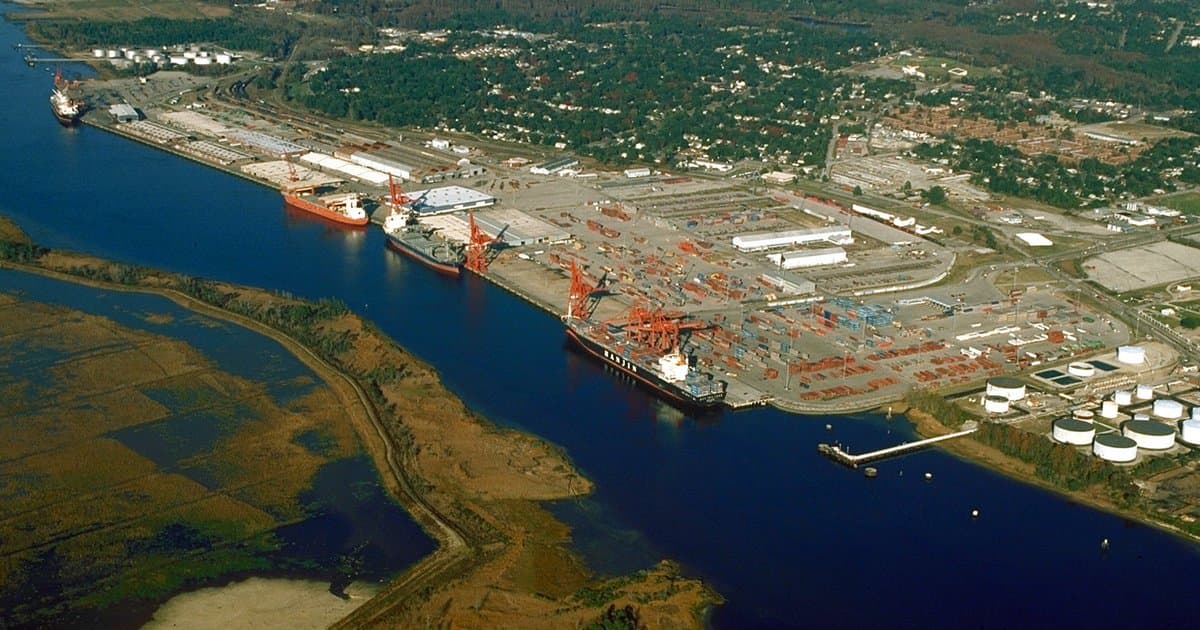
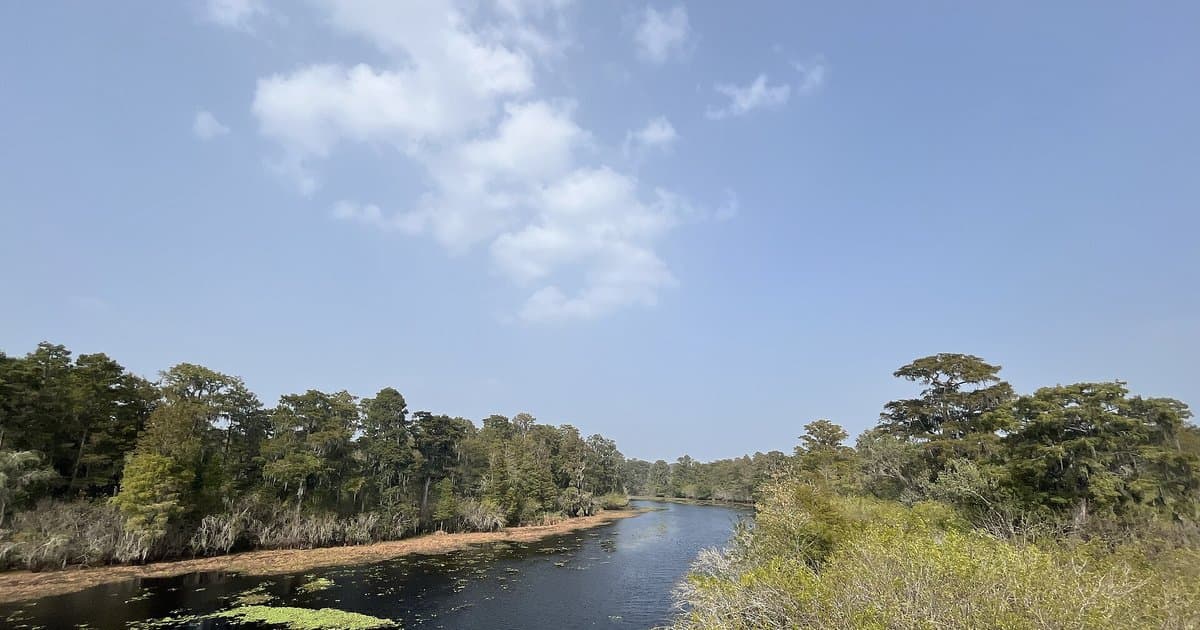
North Carolina has the most-documented PFAS contamination case in the eastern United States. The Chemours Fayetteville Works plant, sitting on the Cape Fear River in Bladen County, has manufactured fluorochemical products since 1971. From at least 1980 the facility discharged HFPO-DA and related PFAS into the river. The discharge wasn't public knowledge until June 2017, when researchers from NC State and the EPA published findings that GenX was reaching Wilmington's drinking water roughly 80 miles downstream.
The Cape Fear Public Utility Authority, which serves about 200,000 residents in New Hanover County, found GenX in finished water at concentrations averaging in the hundreds of parts per trillion. CFPUA, the State of North Carolina, and Cape Fear River Watch sued Chemours. The February 2019 Consent Order required Chemours to pay a $12 million penalty, dramatically reduce emissions, provide alternate water supplies to affected well owners, and continue monitoring obligations. An August 2020 Addendum expanded those requirements.
CFPUA's engineering response was the largest GAC retrofit in North Carolina. The utility installed approximately 3 million pounds of granular activated carbon across eight contactors at the Sweeney Water Treatment Plant. Construction began in November 2019, the system came online in October 2022, and total project cost ran approximately $46 million including a $35.9 million construction contract. The GAC reduces PFAS in finished water to single-digit ppt, well under the EPA MCLs. Annual operating cost is approximately $3.7 to $5 million. You can review current performance on the CFPUA water quality page.
The NC Department of Environmental Quality maintains a statewide PFAS data dashboard tracking utility and surface water sampling. The NC DEQ PFAS program page publishes the dashboard plus the consent order documents and ongoing enforcement actions.
South Carolina's PFAS Testing and Upstate Detections
South Carolina is earlier in its public PFAS response than North Carolina, but the work is underway. SCDHEC (now part of the South Carolina Department of Environmental Services after the 2024 reorganization) has conducted sampling at public water systems across the state under EPA's Unregulated Contaminant Monitoring Rule program and follow-on state-led monitoring.
Upstate SC, which is Aquafeel Solutions service territory, has documented detections. Communities in Greenville, Spartanburg, Anderson, and Pickens Counties have shown PFAS in monitoring results, with concentrations varying by utility and intake. Lake Hartwell, which straddles the SC-GA border and feeds drinking water to portions of Anderson County, has been a focus of state and federal sampling because of upstream industrial activity in the broader Savannah River basin.
Coastal South Carolina utilities such as Beaufort-Jasper Water and Sewer Authority and Grand Strand Water and Sewer Authority have done their own PFAS monitoring and treatment evaluation. Those are sister-site service areas covered by Solomon Home Water, not Aquafeel territory, but they're relevant context because the Lowcountry geology and coastal aquifers behave differently from the Piedmont surface waters that supply Greenville and Spartanburg.
For private well owners in upper SC, the picture matches NC: if you live near a textile mill, an airport, a military base, a landfill, or a known industrial discharger, you should test for PFAS specifically. Standard well testing through the SC state lab does not include PFAS unless you order it.
Home Filtration Options for PFAS
Three technologies remove PFAS at the home level. Each has different strengths, costs, and certification requirements. The NSF International standards that matter are NSF/ANSI 53 (drinking water health effects, with the P473 designation specifically for PFOA and PFOS) and NSF/ANSI 58 (reverse osmosis systems, also with P473).
Reverse Osmosis (point-of-use). A 4-stage or 5-stage RO unit installs under the kitchen sink and produces purified water at a dedicated faucet. RO membranes remove 95 to 99 percent of PFAS including short-chain compounds that carbon misses. NSF/ANSI 58 P473 certification confirms PFOA and PFOS performance. For most Carolina households whose primary concern is drinking and cooking water, this is the most effective single investment. See our reverse osmosis systems page for what we install.
Granular Activated Carbon (point of entry). A whole-house GAC system installs at the main water line and treats every tap, shower, and appliance. NSF/ANSI 53 P473 certification covers PFOA and PFOS at residential scale. GAC removes 88 to 99 percent of long-chain PFAS and 60 to 85 percent of short-chain. Aquafeel installs whole-house carbon as part of our standard whole-house filtration systems.
Anion Exchange (specialty whole-house). Specialty resins can remove 94 to 99 percent of the PFAS6 group, with better short-chain performance than GAC. These are less common in residential settings but increasingly available for homes with elevated PFAS source water.
What doesn't work: pitcher filters not specifically PFAS-certified, refrigerator filters not labeled NSF 53 P473, boiling (concentrates PFAS rather than removing them), and basic sediment cartridges. If a filter doesn't carry NSF P473 in the certification line, it isn't removing PFAS in any meaningful way.
Recommended Method by Carolina PFAS Concern Level
| PFAS concern level | Recommended system | Typical service |
|---|---|---|
| CFPUA Wilmington (treated GAC water, low ppt) | Under-sink RO as a final drinking-water barrier | RO install Wilmington |
| Triangle utility customer (Raleigh, Durham, Cary) | Catalytic carbon plus under sink RO | RO install Raleigh |
| Charlotte and Catawba basin customer | Whole-house carbon plus under sink RO | RO install Charlotte |
| Upstate SC utility (Greenville, Spartanburg) | NSF 53 P473 whole-house plus RO | RO install Greenville SC |
| Private well near industrial or military site | PFAS-specific lab test first, then RO and possibly anion exchange | Free water test |
| General Piedmont well, no known source | Test under EPA Method 533, then RO if detected | Well water treatment |
Pricing for whole-house plus RO combinations in the Carolinas typically runs in the ranges published on our contact page, and every system we install is backed by the 25-year warranty discussed on the certifications page.
Call a Professional If Any of These Apply
- You own a private well within 10 miles of the Chemours Fayetteville Works facility or in the Cape Fear River alluvial corridor. State sampling has found elevated PFAS in private wells across a broad geographic footprint around the plant.
- Your annual Consumer Confidence Report shows more than one PFAS compound detected above the reporting threshold, even if individual numbers are below the 4 ppt or 10 ppt MCLs.
- Your household includes a pregnant person, an infant under 12 months, or anyone with kidney disease, liver disease, or compromised immunity. EPA fact sheets identify these groups as more sensitive to PFAS exposure.
- Your well is downhill or downstream of a former textile mill, fire training area, military installation, airport, biosolid application field, or known industrial discharger.
- You've installed a generic pitcher or fridge filter and assumed it handles PFAS. Most do not, and the false sense of protection is worse than no filter.
- You've had unexplained kidney, liver, or thyroid lab values flagged by your physician and your water has never been tested for PFAS.
- You're closing on a home in the Cape Fear basin, the Haw River basin, or Upstate SC and the seller cannot produce a recent water analysis.
In any of these cases, a free in-home water test from our team is the simplest next step. We bring the equipment, do the analysis on-site for the standard panel, and coordinate certified lab testing under EPA Method 533 or 537.1 when PFAS-specific results are needed. Founder Carlos Buenaventura, profiled on our about page, has been doing this work in the Carolinas since 2007 and our team has been WQA-certified since 2016.
Frequently Asked Questions
Is my Carolina tap water safe to drink right now?
For most North Carolina and upper South Carolina utility customers, finished tap water meets current EPA standards including the 2024 PFAS MCLs where utilities have already installed treatment. CFPUA's GAC delivers single-digit ppt PFAS. Many other Carolina utilities are still in the monitoring phase before the 2029 compliance deadline. Check your most recent Consumer Confidence Report for utility-specific PFAS data.
How do I test my well for PFAS?
Standard well-water testing through the NC state lab or SCDES does not include PFAS. You need to specifically request analysis under EPA Method 533 or EPA Method 537.1 from a certified laboratory. Aquafeel can coordinate the sampling and shipping during a free in-home test visit and walk you through results once the lab reports back.
Does my refrigerator filter remove PFAS?
Almost certainly not, unless the filter is specifically certified to NSF/ANSI 53 P473 for PFOA and PFOS. The standard fridge filter is rated for chlorine, taste, and odor only. Read the filter packaging or manufacturer spec sheet. If P473 is not listed, you need a separate PFAS-rated system such as an under sink RO unit installed at the kitchen tap.
What's the difference between PFOA, PFOS, and GenX?
PFOA and PFOS are legacy long-chain PFAS phased out of U.S. production but still present in the environment. GenX, chemically HFPO-DA, is the replacement compound Chemours began using at Fayetteville Works. The 2024 EPA rule sets a 4 ppt MCL for PFOA and PFOS individually and a 10 ppt MCL for GenX. All three are removed by reverse osmosis and properly sized GAC.
Why does the Cape Fear River matter if I live in Charlotte?
It doesn't directly. Charlotte Water draws from the Catawba River basin, which has lower documented PFAS than the Cape Fear. The Cape Fear story matters because it set the regulatory precedent for the 2019 Consent Order, drove EPA's 2024 rulemaking, and demonstrated what a $46M utility-scale treatment response looks like. The lessons travel even when the river doesn't.
Will the 25-year warranty cover PFAS removal performance?
The 25-year warranty covers the equipment we install including tanks, valves, membranes, and resin. Performance against specific contaminants depends on the system being correctly sized for your source water, which is why we test first and design after. We do not warrant that finished water will be below a specific PFAS concentration since influent levels can change, but we stand behind every component for 25 years.
Ready to get specific numbers for your home? Schedule your free in-home water test, call us at (984) 212-3558, or review financing options if you already know which system you need. Aquafeel Solutions has been delivering clean water across North Carolina and upper South Carolina since 2007.