Hard water across North Carolina costs the average homeowner somewhere between $2,000 and $4,500 in premature appliance failure, increased energy bills, and extra detergent and soap over a 10 year ownership window. A water heater in a Charlotte home running 8 grains per gallon hardness without a softener typically fails 30 to 50 percent sooner than the manufacturer rated lifespan, according to US Department of Energy research. A dishwasher produces spotty, film coated glassware within 18 to 24 months of hard water use. A washing machine accumulates scale buildup in hoses, valves, and seals. These are not cosmetic problems. They are mechanical failures from calcium and magnesium scale accumulating inside heating elements, pressure valves, and the plumbing of every water-using appliance in your home. The Triangle (Raleigh, Cary, Durham) runs 4 to 7 grains per gallon. Charlotte and the Piedmont run 5 to 9 grains per gallon. Greensboro and the Triad run 5 to 10 grains per gallon. Every one of those ranges causes measurable appliance damage over time. Call (984) 212-3558 for a free in home water test.
Aquafeel Solutions Carolina has been testing and treating water in NC and upper SC since 2007. Over those 18 years, we have seen the same pattern in home after home: homeowners who are not aware of their water hardness pay the hidden tax in appliance replacement costs, higher utility bills, and more cleaning supplies. The homeowners who invest in a water softener stop paying it. This article breaks down what hard water actually does to each major appliance category, what the dollar cost looks like in NC conditions, and how to determine whether your specific home water hardness warrants a softener. For the full regional water quality context, see our NC hard water guide and Carolinas well water guide.
Does Hard Water Really Damage Appliances?
Yes. The damage mechanism is well established. Calcium and magnesium dissolved in hard water precipitate out of solution when heated. The technical term is scale, also called limescale or calcium carbonate deposits. Inside your water heater, scale forms a layer on the bottom of the tank where the heating element sits. Each inch of scale reduces heat transfer efficiency by approximately 20 to 30 percent, meaning the heating element runs longer to achieve the same water temperature. The US Department of Energy documents this efficiency loss. Over time, scale also corrodes the steel beneath it, leading to tank failure years before the expected lifespan.
In dishwashers and washing machines, scale forms on spray arms, internal water jets, and heating elements. In coffee makers and espresso machines, scale blocks water flow paths and coats brewing surfaces, changing the extraction temperature and, in severe cases, cracking ceramic and glass components. In ice makers, scale reduces ice production rate and fouls the distribution tube. In shower heads and faucets, scale clogs aerators and restricts flow. The damage is not dramatic or sudden. It accumulates incrementally over months and years, which is why many homeowners do not connect the shorter appliance lifespans to their water quality.
What Appliances Are Most Affected by Hard Water in NC?
Appliances with heating elements and narrow water passages suffer most. From highest to lowest impact:
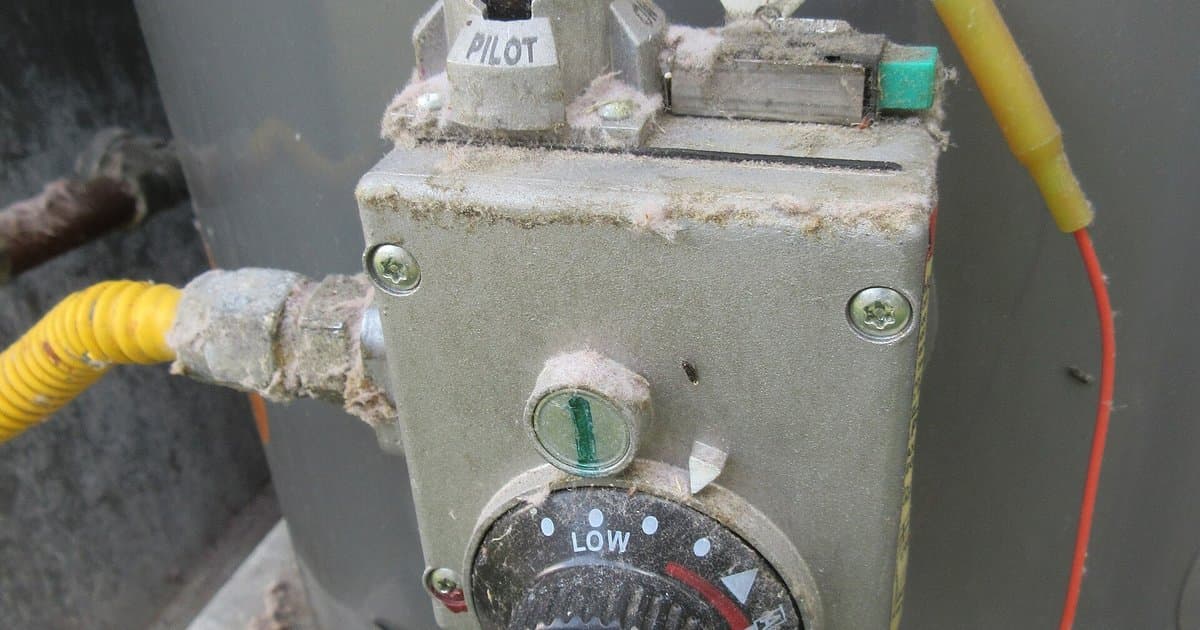
- Water heater (most impacted). Lifespan reduction of 30 to 50 percent at 8 to 10 GPG. A tank water heater rated for 12 to 15 years may fail at 7 to 10 years in hard water conditions. Energy cost increase: 10 to 29 percent, measured by Rocky Mountain Institute studies. Replacing a 50-gallon water heater in NC in 2026 typically runs $1,200 to $2,500 installed.
- Coffee maker and espresso machine. Scale clogs brew heads and thermoblock heating coils within 6 to 18 months in hard water without regular descaling. A commercial espresso machine at a Charlotte restaurant can lose boiler efficiency within the first year. Higher-end home machines run $500 to $2,000 to replace.
- Dishwasher. Scale on spray arms and heating elements. Spotty glassware is the first sign. The heating element that dries dishes scales up and eventually burns out, often requiring a $200 to $400 repair or early full replacement. Dishwasher lifespan at 8 GPG without treatment: 8 to 10 years vs manufacturer-expected 12 to 15 years.
- Washing machine. Scale buildup in internal water jets and rubber seals. Scale accelerates rubber seal degradation, leading to leaks. Calcium deposits also redeposit onto fabrics during washing, making clothes stiffer and reducing fabric softness over time. Laundry detergent use increases 30 to 50 percent in hard water homes.
- Shower heads and faucets. Aesthetic damage primarily. Aerators clog within months at high hardness. Flow restriction increases over time. Replacement is cheap ($20 to $80 per fixture) but ongoing and irritating. Scale on glass shower doors is difficult to remove and progressive.
How Much Does Hard Water Cost North Carolina Homeowners?
We model the 10 year hard water tax for a typical NC 3-bedroom home at 6 GPG (Triangle) and 8 GPG (Charlotte or Triad) hardness. These are conservative estimates based on US DOE efficiency data, appliance manufacturer lifespan guides, and current NC replacement costs.
| Cost category | At 6 GPG (Triangle) | At 8 to 10 GPG (Charlotte/Triad) |
|---|---|---|
| Water heater replaced 3 to 5 years early | $1,200 to $1,800 | $1,500 to $2,500 |
| Dishwasher replaced 3 to 4 years early | $600 to $900 | $700 to $1,100 |
| Washing machine early wear repairs | $300 to $500 | $400 to $700 |
| Extra detergent and soap (10 years) | $800 to $1,200 | $1,000 to $1,800 |
| Energy surcharge from water heater inefficiency (10 years) | $400 to $800 | $600 to $1,200 |
| Total 10 year hard water cost estimate | $3,300 to $5,200 | $4,200 to $7,300 |
Verify current energy cost projections with the US Department of Energy Buildings Program. A water softener installed in NC in 2026 typically costs $1,800 to $3,800 installed, with salt operating costs of $200 to $400 per year. The payback against the hard water cost model runs 2 to 5 years at most NC hardness levels. See our full water softener cost guide for NC for current pricing detail.
How Can You Tell If Hard Water Is Damaging Your Plumbing?
The visible signs appear in roughly this order as hardness and time increase:
- White deposits on faucets and shower glass. The first sign. Calcium carbonate deposits appear as white, chalky buildup around faucet bases and on shower glass within weeks to months at 5+ GPG hardness.
- Spotty dishes from the dishwasher. Hard water leaves mineral residue on glass and dishes after drying. No amount of rinse aid fully compensates above 7 GPG.
- Reduced shower head flow. Aerators and shower head nozzles clog with scale, reducing flow rate progressively over 12 to 24 months.
- Water heater sediment noise. Popping and rumbling sounds from the water heater are scale deposits on the heating element. This indicates active scale buildup and heating efficiency loss.
- Stiff, dull laundry. Calcium redepositing into fabric fibers makes washed laundry feel stiffer and look duller over time despite using detergent.
- Dry skin and hair after showering. Hard water minerals react with soap to form soap scum rather than true lather, leaving a residue on skin and hair after showering.
If you see any of these signs, a free in home water test from Aquafeel Solutions Carolina measures your exact hardness in grains per gallon. The test takes 30 to 45 minutes, covers pH, hardness, iron, chlorine or chloramine, and TDS, and includes a written results sheet with our recommendation. Call (984) 212-3558 or schedule at aquafeelcarolina.com/contact.
Which Water Softener Is Right for My NC Home?
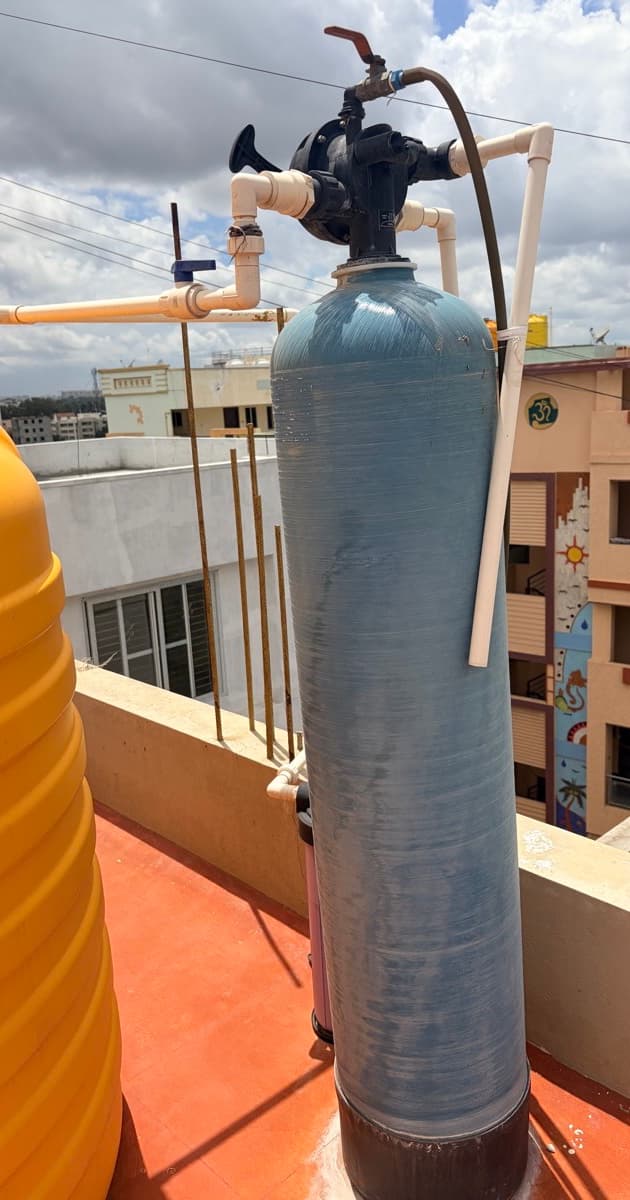
System sizing depends on daily water usage and hardness level. A properly sized softener for a 3 to 4 person NC home at 6 to 8 GPG hardness is typically a 32,000 to 48,000 grain capacity ion exchange unit. Undersizing results in hard water breakthrough between regeneration cycles. Oversizing wastes salt and water on unnecessary regeneration cycles.
Aquafeel Solutions Carolina uses only salt based ion exchange softeners with Vortech mineral tanks, which have a 25-year structural warranty. Salt free template assisted crystallization (TAC) conditioners are available for situations where HOA rules or septic system constraints prohibit brine discharge. TAC systems prevent new scale formation but do not remove existing hardness minerals from the water. For NC homes with moderate hardness at 5 to 7 GPG and specific discharge constraints, TAC can be a practical alternative. For homes at 8+ GPG wanting true soft water at the tap, only ion exchange delivers the result. See our water softener page and city pages for Raleigh, Charlotte, and Durham.
What About NC Well Water Hardness?
Private wells in NC Piedmont clay and granite soils frequently run harder than city water. Wake County private wells often test at 10 to 18 GPG. Chatham and Orange county wells run 12 to 25 GPG in some geological zones. At those hardness levels, the appliance damage accelerates, and iron often accompanies the hardness, producing reddish staining in addition to white scale. Iron above 0.3 mg per liter fouls softener resin and requires iron removal ahead of the softener. Our Carolinas well water guide covers the full treatment staging for NC private wells, and the Raleigh iron and manganese article details the orange staining diagnosis.
Frequently Asked Questions
Does hard water really damage appliances?
Yes. Scale from calcium and magnesium deposits reduces heating efficiency by 10 to 29 percent, clogs water jets, and corrodes heating elements. US Department of Energy research documents 30 to 50 percent lifespan reduction in water heaters at typical NC hardness levels. The cost accumulates gradually, which is why many homeowners miss the connection.
How much does hard water cost North Carolina homeowners?
At 6 GPG (typical Triangle), the 10 year hard water cost runs approximately $3,300 to $5,200 in appliance replacement, extra energy, and detergent costs. At 8 to 10 GPG (Charlotte and Triad), the range climbs to $4,200 to $7,300. A water softener costing $1,800 to $3,800 installed typically pays back in 2 to 5 years against these costs. Verify with your own utility and appliance invoices to confirm the numbers for your home.
What appliances are most affected by hard water in NC?
Water heaters take the most damage (30 to 50 percent lifespan reduction). Coffee makers and espresso machines clog within months without descaling. Dishwashers, washing machines, ice makers, and shower heads follow in order of impact. Any appliance with narrow water passages and a heating element is vulnerable to scale damage from NC hard water.
Can I just descale my appliances instead of buying a softener?
Descaling removes existing scale but does not prevent new accumulation. At NC hardness levels, descaling a coffee machine monthly or a dishwasher quarterly is significant ongoing labor and cost. A water softener eliminates the need for descaling across all appliances in the home simultaneously. The economics almost always favor the softener at 6+ GPG.
Ready to find out exactly how hard your water is? Schedule a free in home water test, call (984) 212-3558, or read our related guides: NC hard water guide, water softener cost in NC, and reverse osmosis vs water softener for Carolinas homes. External reference: US Department of Energy water heating efficiency data.