Commercial water treatment in North Carolina is both a regulatory requirement and an economic necessity for most food service, hospitality, and manufacturing businesses. NC food service regulations (the NC Food Code and NC General Statute 130A) require that water used in food preparation meets potable water standards and that equipment operates within manufacturer specifications. Many equipment manufacturers void warranties if water chemistry is outside their specified hardness and TDS limits. Charlotte Water delivers 5 to 9 grains per gallon hardness that shortens commercial dishwasher and espresso machine life by 30 to 50 percent without treatment. Raleigh Triangle water at 4 to 7 GPG uses chloramine disinfection that carries into the taste of beverages and ice. Greensboro runs 5 to 10 GPG with free chlorine. A commercial water treatment system installed by a licensed NC contractor protects equipment, improves product quality, and satisfies regulatory inspection requirements. Aquafeel Solutions Carolina serves commercial customers across NC and upper SC. Call (984) 212-3558 for a free commercial water assessment.
Commercial water treatment differs from residential treatment in system capacity, flow rate requirements, regulatory compliance documentation, and maintenance structure. This guide covers what NC food service and hospitality businesses need to know in 2026, with pricing reference data for the Charlotte and Raleigh markets. See our commercial city page for Charlotte NC commercial water treatment and our full commercial water services overview. The authoritative regulatory source is the NC Food and Drug Protection Division.
What Water Treatment Do Restaurants Need in North Carolina?
NC restaurants operating under NC Food Code requirements face three distinct water quality concerns:
- Potable water compliance. All water used in food preparation, ice making, and dishwashing must meet EPA primary drinking water standards. This is met by the municipal supply in NC cities. However, building plumbing issues (lead solder in pre-1986 construction, corroded supply lines) can affect water quality at the point of use. A point of entry carbon filter and periodic testing verifies potable water compliance at the tap.
- Equipment manufacturer compliance. Commercial dishwashers, ice machines, espresso machines, steam ovens, and brewing equipment all specify maximum hardness (typically 3 to 7 GPG) and maximum TDS (typically 100 to 500 mg per liter) in their operating manuals. Operating outside these limits voids warranties and increases service call frequency. Charlotte Water at 5 to 9 GPG regularly exceeds the equipment hardness maximum, making a commercial softener a warranty preservation requirement, not just a recommendation.
- Taste and quality in food and beverages. Chloramines (Raleigh, Durham, Charlotte city water) and free chlorine (Greensboro) carry into the flavor of coffee, tea, cocktails, soups, and sauces. Seasonal changes in disinfection chemistry cause noticeable taste variation that customers may notice and attribute to recipe inconsistency. Commercial carbon filtration or RO at food contact water points eliminates this variable.
How Much Does Commercial Water Treatment Cost in NC?
Commercial water treatment cost in NC varies with business type, facility size, and daily water flow rate. The following ranges are 2026 installed cost estimates for the Charlotte and Raleigh NC markets from a licensed commercial water treatment contractor:
| System | Best for | 2026 NC installed cost |
|---|---|---|
| Commercial softener (single cabinet) | Small restaurant, cafe, office up to 50 gallons per hour peak | $2,800 to $4,500 |
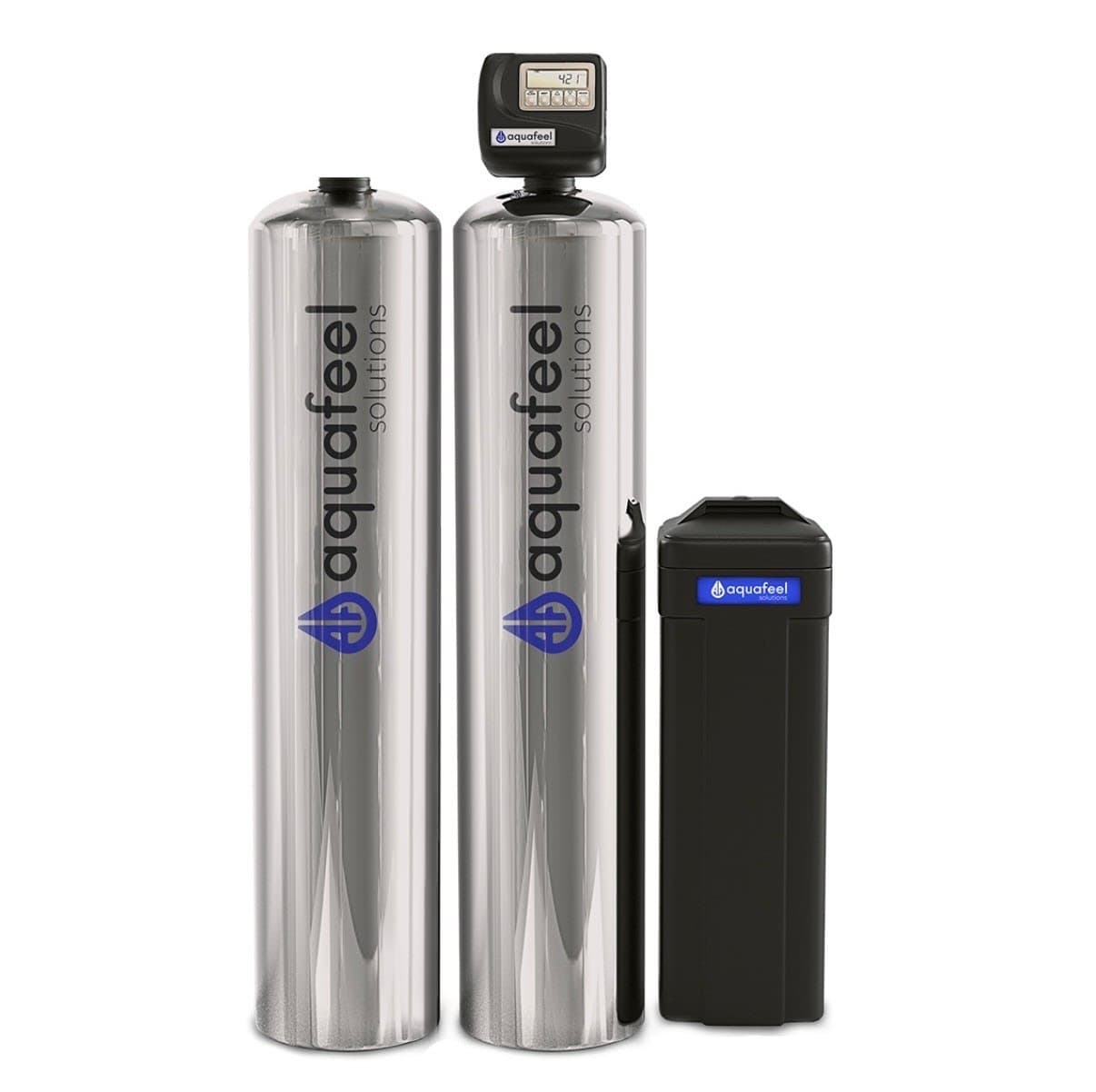
| Commercial softener (twin tank, continuous) | Restaurant or hotel requiring uninterrupted soft water | $4,500 to $7,500 |
| Commercial carbon filtration (whole building) | All food service applications, taste and odor removal | $2,000 to $4,500 |
| Commercial reverse osmosis (100 to 500 GPD) | Coffee bar, brewing, food processing, laboratory | $4,000 to $10,000 |
| Full commercial package (softener plus filtration plus RO) | Full service restaurant or hotel | $6,000 to $15,000 |
| Hotel-scale softener (500+ GPD peak demand) | Hotels, large multi-family, assisted living | $8,000 to $20,000 |
These costs include NC licensed commercial plumbing installation, system commissioning, and initial service training. Annual service contract costs for filter replacements, resin inspection, and system maintenance typically run $500 to $1,500 per year depending on system complexity and daily throughput. Request a commercial water assessment to receive equipment specific sizing and a written quote.
What NC Regulations Apply to Restaurant Water Treatment?
NC food service establishments are regulated under NC General Statute 130A and the NC Food Code (adopted from the FDA Model Food Code). Key water quality provisions:
- Section 5-101.11 requires that only water from an approved, potable source is used in food preparation, ice making, and equipment washing.
- Section 4-101.11 requires that food contact surfaces and equipment be maintained in good repair and functioning condition, which includes water-using equipment operating within manufacturer water quality specifications.
- Mecklenburg County Environmental Health (for Charlotte restaurants) and Wake County Environmental Services (for Raleigh restaurants) enforce these provisions through routine inspections. Inspectors may cite establishments where equipment failures are documented as related to water quality issues.
NC does not currently mandate a specific water softener or filtration system for food service. However, equipment manufacturer warranties (which require operating within water quality specifications) create a practical requirement to treat water at the equipment hardness tolerance. A commercial softener that keeps hardness below the equipment manufacturer's maximum protects both the equipment warranty and the establishment's compliance position. Always verify current regulations with your county environmental health office and with the NC Food and Drug Protection Division.
Commercial Water Treatment for Charlotte vs Raleigh vs Greensboro
Each NC metro has a distinct water quality profile that shapes the commercial treatment recommendation:
- Charlotte (Charlotte Water, 5 to 9 GPG, seasonal disinfectant): Commercial softener is strongly recommended at Charlotte hardness levels due to equipment warranty impact. The seasonal switch between chloramine and free chlorine also argues for a commercial carbon filter at beverage and food contact points to prevent seasonal taste variation. A commercial softener plus carbon package is the standard Charlotte restaurant treatment recommendation.
- Raleigh and Triangle (4 to 7 GPG, chloramine year-round): Raleigh's lower hardness means a commercial softener is a cost benefit decision for smaller establishments (a cafe at 4 GPG has less urgent softener need than a full-service restaurant at 7 GPG). Chloramine treatment is a year-round constant that commercial carbon filtration or RO at beverage stations addresses cleanly.
- Greensboro (5 to 10 GPG, free chlorine): Commercial softener strongly recommended at the upper hardness range. Free chlorine at Greensboro concentrations produces significant taste impact in sensitive beverages. Commercial carbon filtration at bar and coffee stations is standard.
- Raleigh, Durham, and Triangle well-water commercial sites (manufacturing, rural facilities): These require well water full panel testing before system design. Iron, manganese, and hardness stacking is common. Commercial iron pre filters plus softener plus RO is the standard well water commercial package.
How to Choose a Commercial Water Treatment Company in NC
Commercial water treatment selection for NC businesses should include these verification steps:
- NC plumbing license verification. Commercial water treatment installation requires a licensed NC plumbing contractor. Verify current license status at the NC State Board of Examiners of Plumbing, Heating and Fire Sprinkler Contractors website. Aquafeel Solutions Carolina maintains active NC and SC plumbing licenses on all commercial installations.
- NSF equipment certification. All food contact water treatment equipment should carry NSF/ANSI 42, 53, 55, or 58 certification appropriate to its function. NSF certified equipment meets independently verified performance standards. Request the NSF certification number for any equipment proposed for your facility.
- Commercial water test before quoting. A reputable commercial water treatment company tests your facility water before quoting a system. Generic pricing without a water test is a red flag for undersized or oversized equipment.
- Commercial service contract availability. Commercial water treatment equipment requires scheduled maintenance on shorter intervals than residential equipment due to higher daily throughput. A company without commercial service contracts passes that maintenance risk to you.
Frequently Asked Questions
What water treatment does a restaurant need in North Carolina?
NC restaurants typically need a commercial water softener to protect equipment from scale at the hardness levels in Charlotte (5 to 9 GPG) and Greensboro (5 to 10 GPG), commercial carbon filtration to remove disinfection chemical taste from beverages and food, and commercial RO at bar and coffee stations for consistent, mineral free brew water. The right combination depends on your NC city and facility water test results.
How much does commercial water treatment cost in NC?
A commercial softener for a mid-size NC restaurant runs $2,800 to $4,500 installed. A full commercial package (softener, filtration, and RO) runs $6,000 to $15,000 for most restaurant and hotel installations. Hotel-scale systems run $8,000 to $20,000 depending on peak daily flow rate. Annual service contracts run $500 to $1,500. Aquafeel Solutions Carolina provides free commercial water assessments and written quotes before any work begins.
What NC regulations apply to restaurant water treatment?
NC food service regulations (NC General Statute 130A and the NC Food Code) require potable water in food preparation and equipment operating within manufacturer specifications. Mecklenburg and Wake counties enforce these during routine inspections. Equipment manufacturer warranty requirements create a practical hardness limit for commercial equipment. Verify current requirements with your county environmental health office and the NC Food and Drug Protection Division.
Do you offer commercial service contracts in NC?
Yes. Aquafeel Solutions Carolina offers commercial maintenance contracts for NC restaurants, hotels, and offices including scheduled filter replacements, softener salt service, RO membrane service, and performance monitoring. Contracts are strongly recommended for food service and hospitality where system downtime has direct revenue impact.
For a free commercial water assessment: call (984) 212-3558 or schedule at aquafeelcarolina.com/contact. Browse commercial resources: Commercial Water Services, Charlotte Commercial Water Treatment, Whole House Filtration, Reverse Osmosis. External references: NC Food and Drug Protection Division, NSF Water Treatment Certifications.